
What You Need to Know to Plan an Unforgettable High School Trip to South Korea

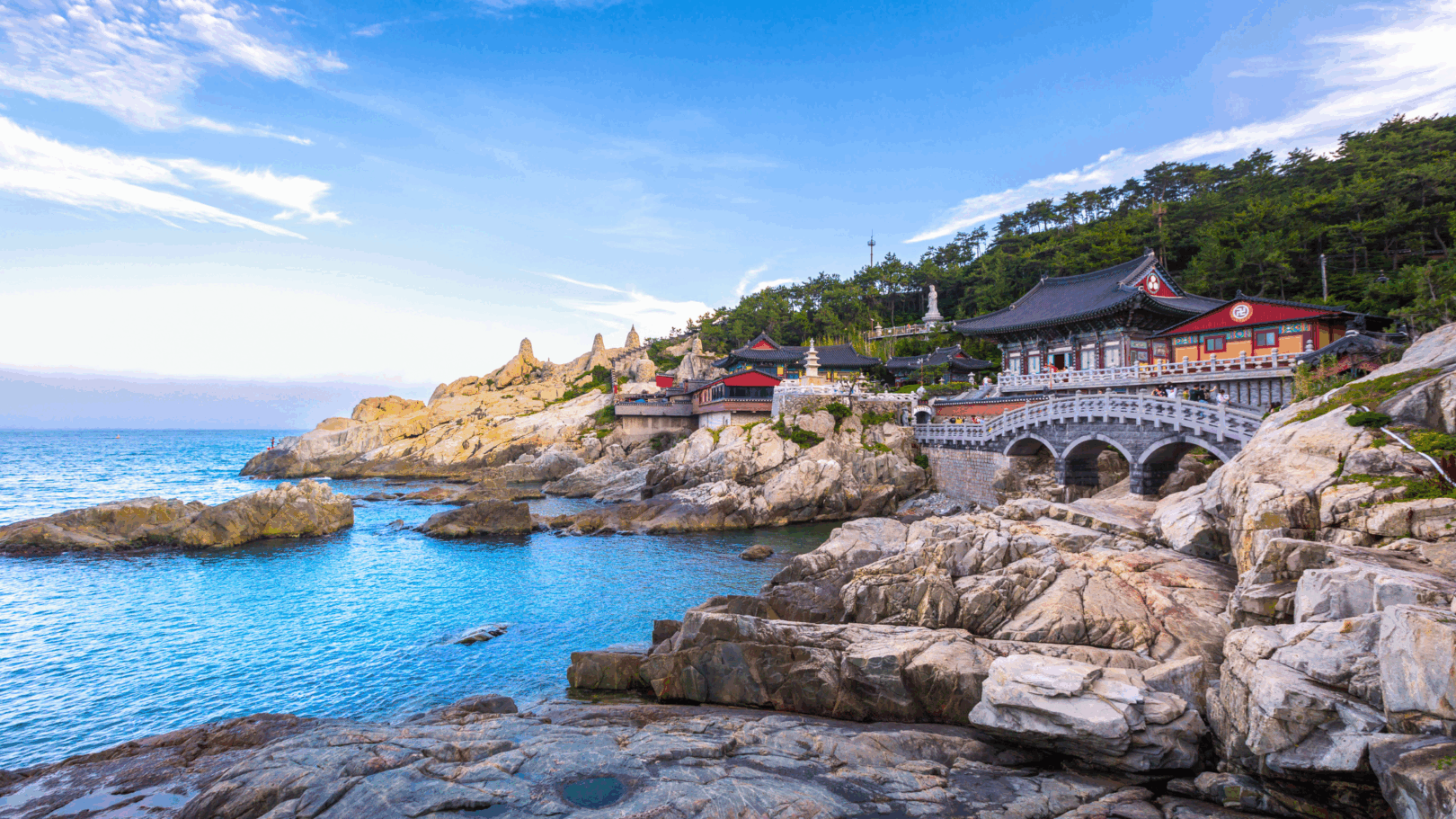
On the southern portion of the Korean peninsula in East Asia is a small country with a big personality! South Korea is just slightly smaller than the state of Pennsylvania but offers diverse and eclectic educational experiences. Here’s what you need to know to plan an unforgettable high school trip to South Korea.
Why South Korea?
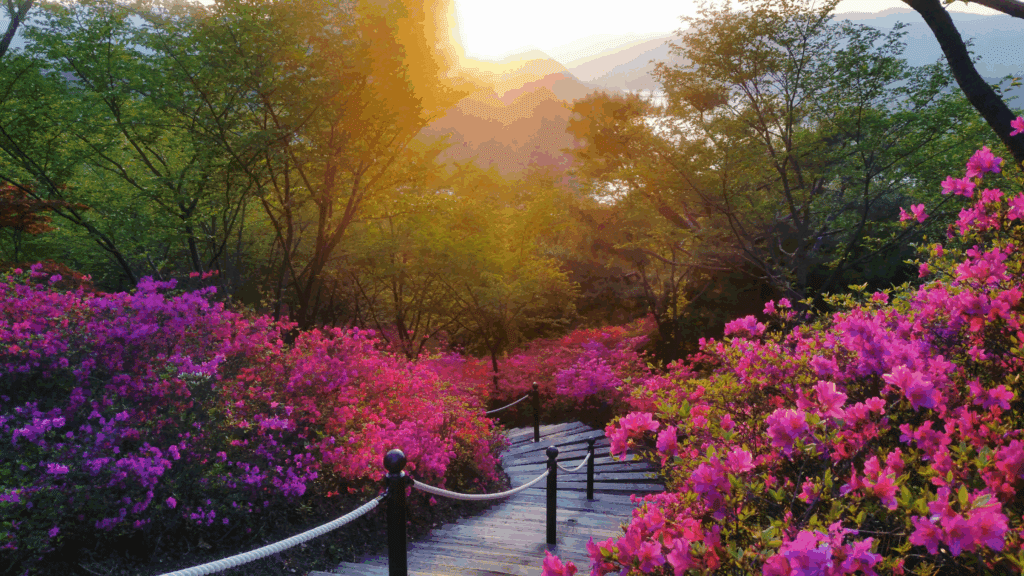
South Korea is more than just K-pop and delicious food (although that’s probably how students see it!) There’s a wide range of history, innovation, and culture to explore.
Here students will gain a deeper understanding of a society that has transformed into one of the world’s most advanced nations. South Korea’s intriguing mix of history, technology, and culture will truly help students expand their global perspectives.
What Can We Do There?
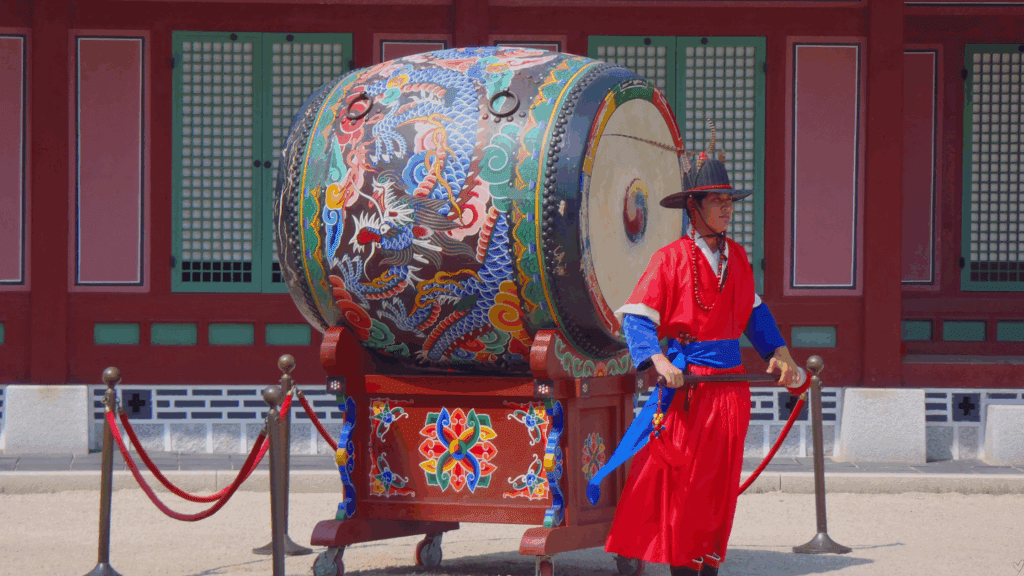
Have we piqued your interest? Here’s a snapshot of some of the amazing experiences you can have in South Korea.
Historical & Cultural Landmarks
Gyeongbokgung Palace
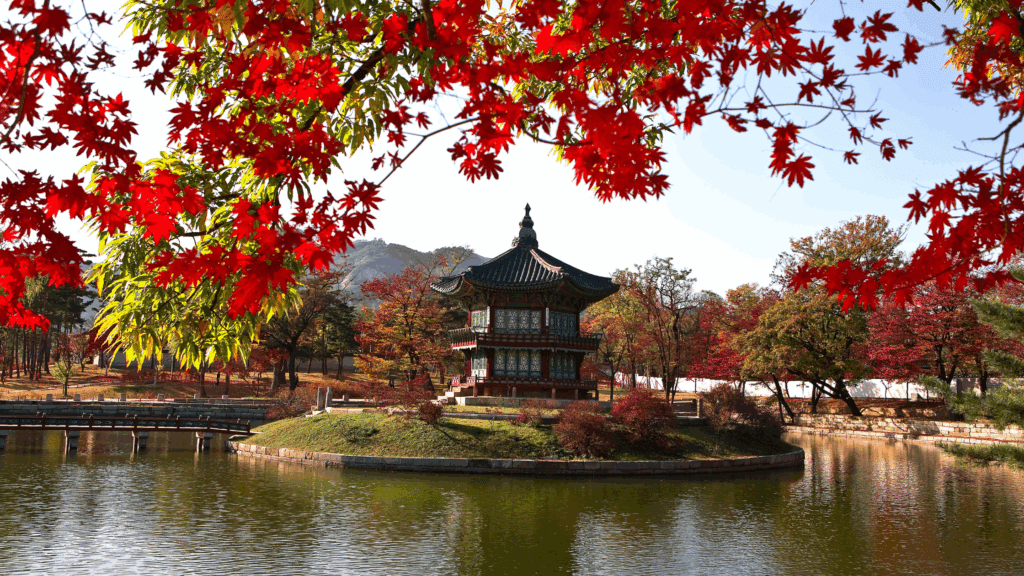
Gyeongbokgung Palace (1395) was the first royal palace of the Joseon dynasty. This magnificent structure is considered the grandest of Seoul’s five palaces, offering incredible insights into Korea’s royal history. It was one of the first landmarks established here and one of the most significant tourist attractions in South Korea.
Bukchon Hanok Village
Bukchon Village also dates back more than six centuries. This preserved area of traditional Korean houses (called hanoks) welcomes visitors to explore cultural centers, guesthouses, restaurants and tea houses.
Remember, though, that this is an actual neighborhood – please be respectful!
DMZ Tour
On July 27, 1953, a cease fire in the Korean War was signed and a de facto military line of demarcation established along the 38th parallel. The result was a war buffer zone – a strip of land called the Demilitarized Zone (DMZ.)

This area now divides a once united nation into North Korea and South Korea. It’s a heavily military-controlled border area, but there are regions around the DMZ that are accessible to visitors. These sections remind us of the sacrifice and loss of the Korean War and represent hope for peaceful reunification someday.
Educational Experiences
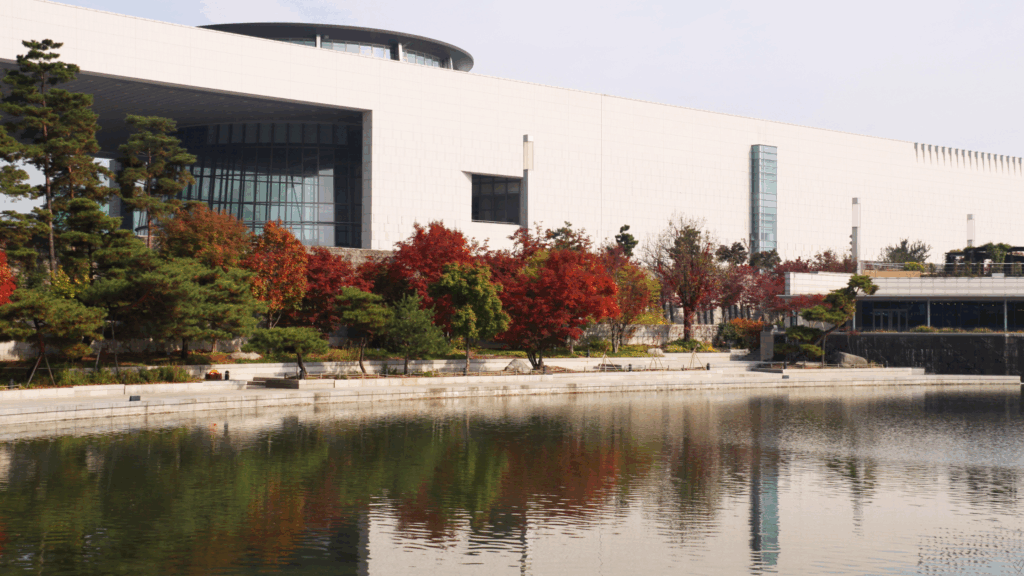
National Museum of Korea
The National Museum of Korea is a treasure trove of Korean history and art. Established in 1945, it has been a hub for research and houses an extensive collection of more than 300,000 artifacts spanning centuries.
Samsung Innovation Museum
The Samsung Innovation Museum (SIM) is the largest museum in the country dedicated to the history of the electronics industry. Visitors get an immersive experience that highlights the evolution of technology, from early electrical discoveries to modern innovations. It’s perfect for tech-loving teens!
The War Memorial of Korea
The War Memorial of Korea in Seoul commemorates the Korean War (1950 – 1953) and highlights Korea’s resilience and historical struggles. The museum houses more than 10,000 artifacts and highlights history from prehistoric times to the Korean War. Visitors can also experience a simulated battlefield in the combat experience room.

Most notable is the Statue of Brothers, which depicts a South Korean soldier embracing his younger brother who is a North Korean soldier. The statue symbolizes reconciliation and hope for a unified Korea.
Attractions & Entertainment
Lotte World
Lotte World in Seoul is an absolute must-do for students! It’s a massive entertainment complex featuring both an indoor theme park (Lotte World Adventure) and an outdoor amusement park (Magic Island). Opened in 1989, it has become one of Korea’s most popular attractions, drawing millions of visitors annually.
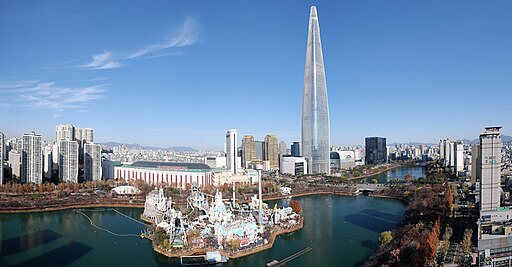
Lotte World Adventure boasts themed zones, thrill rides and cultural events. Magic Island is built on an artificial lake and is home to roller coasters and other fun attractions.
The complex also includes a luxury hotel, aquarium, shopping, museum, sports facilities, and movie theaters.
Everland
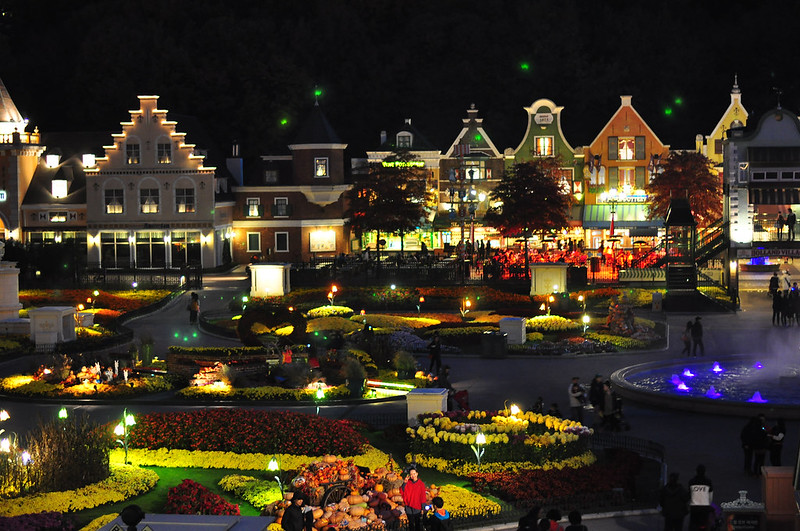
Everland is South Korea’s largest theme park and one of the busiest with more than 5 million visitors each year.
It has five uniquely themed zones:
Global Fair (shopping and dining area with international architecture)
American Adventure (Wild West and rock-n-roll themed)
Magic Land (inspired by fairy tales and fantasy)
European Adventure (gardens and European-style attractions)
ZooTopia (animal exhibits like Panda World and Safari World)
There’s even a water park!
Hongdae & Myeongdong
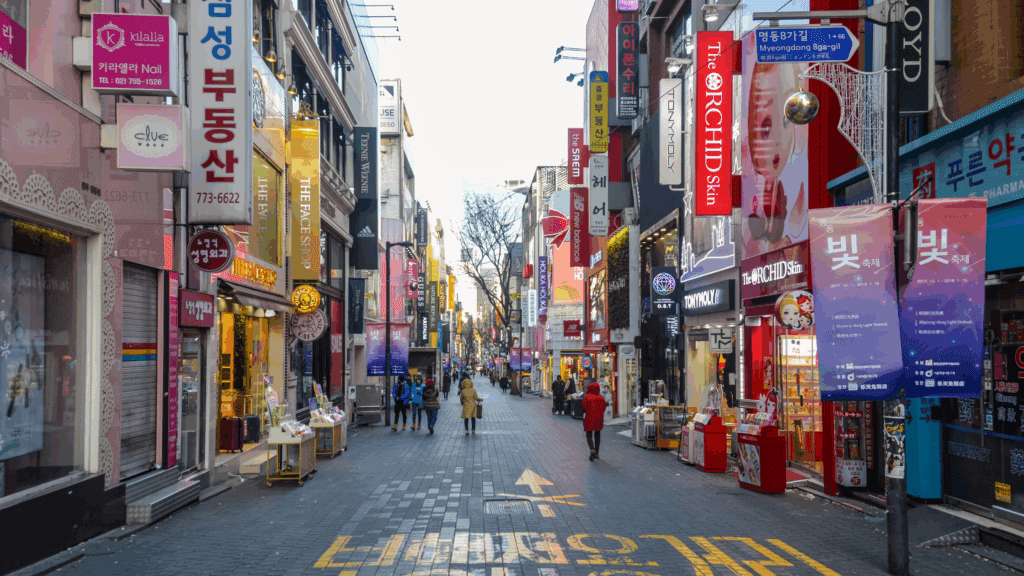
These lively shopping areas are wildly popular yet very different. Hongdae is known for its vibrant street art, independent shops, and lively nightlife, particularly for younger crowds.
Myeongdong is a major shopping district famous for its wide selection of skincare, beauty products, and fashion.
K-Pop & Entertainment Tours
Experiencing K-Pop culture is another must-do while you’re here! Students can visit the headquarters of major K-Pop agencies like YG Entertainment and SM Entertainment. They can stroll down K-Star Road in Gangnam for a stellar selfie with a giant bear statue.
Or they can stop by a K-Pop Café for themed drinks and souvenirs of their favorite K-Pop stars!
What Students Need to Know
When you travel to another country (any other country!), there are bound to be cultural differences. It helps if students know what to expect ahead of the trip.
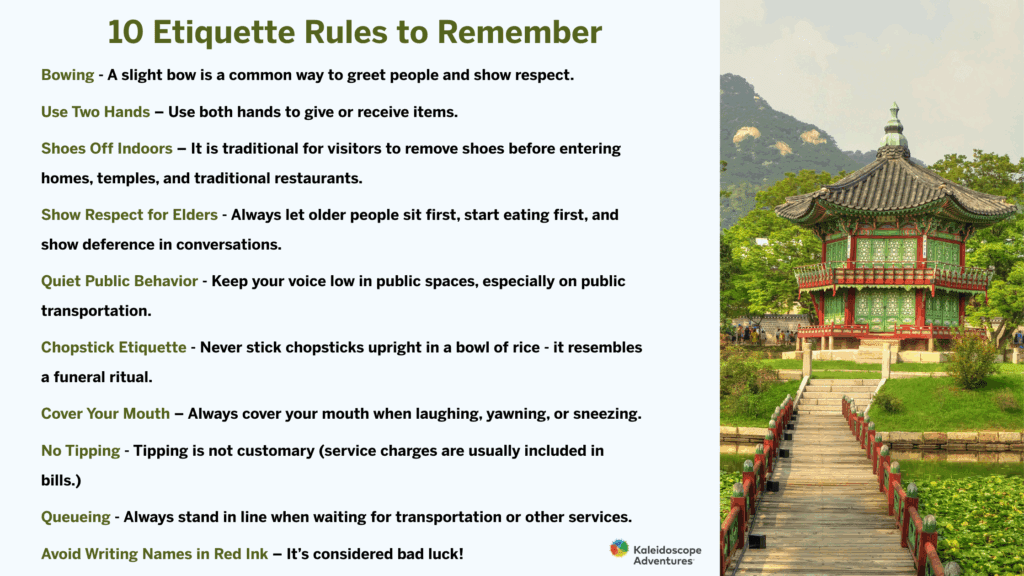
Essential Travel Tips
As you prepare to travel, keep these helpful tips in mind:
Learn Basic Korean Phrases
While many people speak English, knowing simple phrases like “hello” (안녕하세요 – pronounced pannyeonghaseyo) and “thank you” (감사합니다 – pronounce gamsahamnida) can be helpful and is appreciated by locals.
Use Translation Apps
Download apps like Papago for accurate Korean translations.
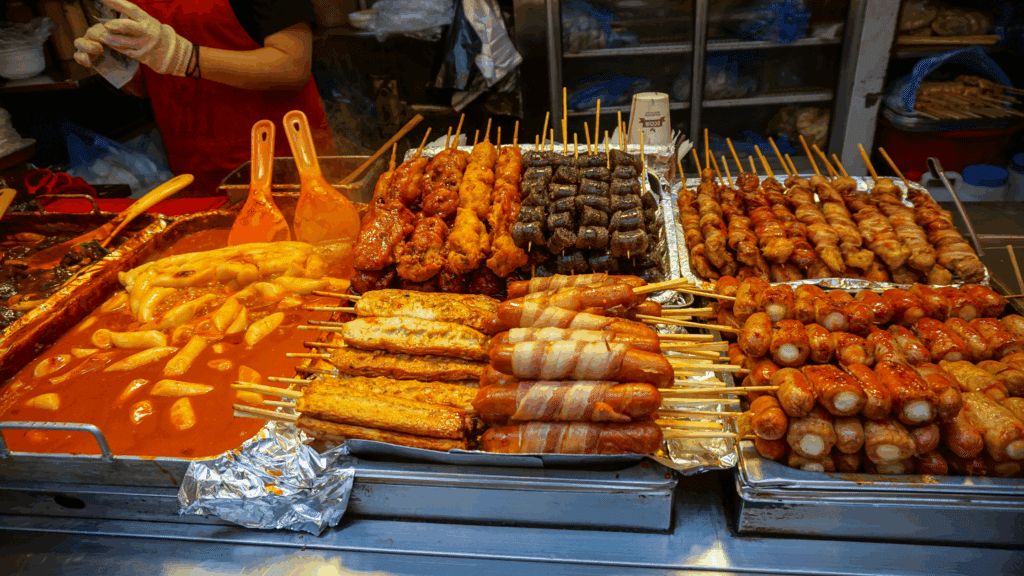
Try Local Foods
Don’t miss out on Korean street food like tteokbokki (spicy rice cakes) and hotteok (sweet pancakes).
Stay Connected
Consider renting a portable Wi-Fi device to stay connected while exploring.
Use Public Transportation
South Korea has an excellent subway and bus system. Tmoney Cards are available at convenience stores throughout the country (including at the airport).
Emergency Numbers
In case of emergency, dial 112 for police and 119 for medical emergencies.
What You Really Need to Know to Plan an Unforgettable High School Trip to South Korea? Plan with a Pro Partner!
For more than 30 years, Kaleidoscope Adventures has been the conduit for travel experiences that teach, inspire, encourage, and allow students to explore the world around them. Our pro team has countless ideas for a trip that’s just right for you.
We make it easy SO easy to plan your high school trip to South Korea…
- Expert planning team
- Online registration and payments
- Convenient crowdfunding options
- Impeccable customer service from start to finish
- Travel that exceeds your expectations
Connect with Kaleidoscope Adventures for your Free Quote
Quick Reference FAQs
1. Why is South Korea a great destination for student travel?
South Korea blends ancient history, modern technology, vibrant pop culture, and unique cultural traditions. Students can explore palaces, visit UNESCO sites, learn about tech innovation, and experience the global influence of K‑pop and Korean media.
2. What are the top educational attractions for students in South Korea?
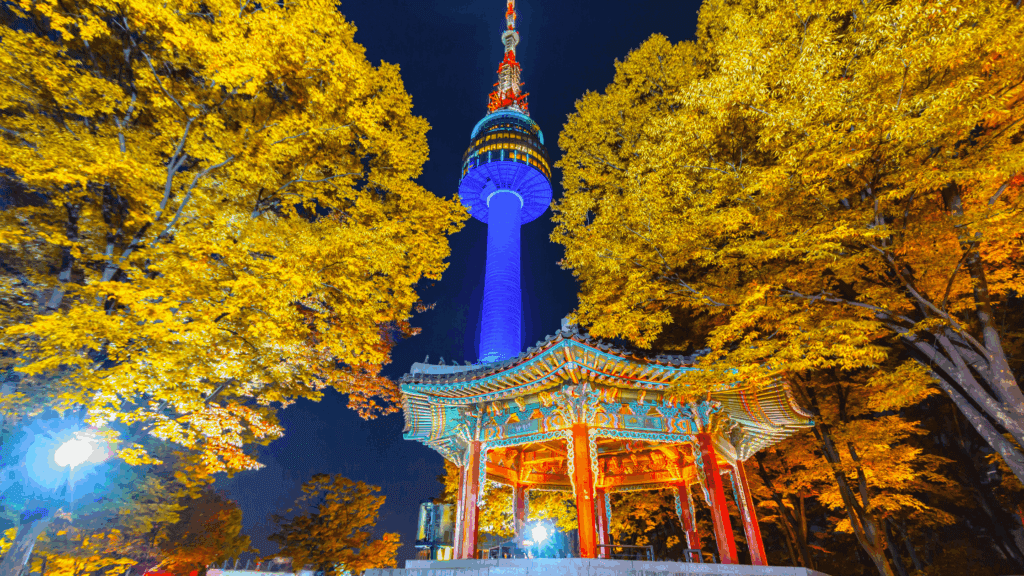
Popular stops include Gyeongbokgung Palace, Bukchon Hanok Village, the DMZ, National Museum of Korea, Lotte World Tower, N Seoul Tower, and cultural workshops like calligraphy or traditional tea ceremonies.
3. Is South Korea a safe destination for student groups?
Yes — South Korea is widely recognized as one of the safest countries in the world for travelers. Student groups benefit from clean public spaces, efficient transportation, and friendly tourism infrastructure.
4. Are cultural experiences available for students?
Absolutely! Students can participate in K‑pop dance classes, hanbok dress-ups, taekwondo demonstrations, cooking lessons (like making kimchi), and guided temple programs.
5. How long should a student trip to South Korea be?
Most groups choose 6–8 days, which allows time to explore Seoul plus a day trip to the DMZ, Suwon, or Busan.
6. What is the best time of year to visit South Korea with students?
Spring (March–May) and fall (September–November) are ideal, offering comfortable weather and beautiful scenery. Winter trips are possible but require cold‑weather planning.
7. How much does a South Korea school trip cost?
Prices vary based on airfare, hotel selection, and activities. Many schools begin planning 12–18 months ahead to help families budget and secure better flight rates.
8. Can performances be arranged for student music groups?
Yes — bands, choirs, and orchestras often perform at cultural centers, community festivals, partner schools, or public venues (with advance coordination).
9. Do student groups need visas to travel to South Korea?
U.S. citizens typically do not need a visa for short tourist visits, but requirements can change. A tour operator helps keep documentation up‑to‑date.
10. What should students pack for a trip to South Korea?
Comfortable walking shoes, modest clothing for cultural sites, layers for changing weather, travel adapters, and any required ID or school materials. It’s also helpful to pack snacks for long flight segments.
11. How do groups get around South Korea?
Most student groups use motorcoach transportation for convenience. The Seoul subway system is clean, safe, and highly efficient if it’s included in the itinerary.
12. Are language barriers difficult for students?
Not typically. English is widely understood in major tourist areas, and student-friendly signage is common. Guides provide support during cultural or historic visits.
13. How early should we plan a class trip to South Korea?
Because flights to Asia can fill quickly, most educators start planning 12–18 months in advance.
14. Can itineraries be customized for curriculum connections?
Yes — history, global studies, STEM, language learning, culture, and performing arts are great itinerary themes.
Updated February 2026
Related Reading: Celebrate America’s 250th and Plan a Thrilling American Adventure
Why Kaleidoscope Adventures?
As a leader in the student travel industry for 30+ years, Kaleidoscope Adventures exceeds expectations for student and performance group travel.
We’ll work with you to plan an exceptional travel experience and provide impeccable customer service from start to finish
Learn More About Kaleidoscope AdventuresRelated Articles