

4 Great Reasons Why Hawaii is a Hot Spot for Students

A student trip to Hawaii is the perfect way to take learning beyond classroom walls. It’s a stunning destination packed with one-of-a-kind learning opportunities. Hawaii boasts pristine beaches, WWII historical sites, unusual and distinct museums, and thrilling outdoor adventures. It’s a vibrant outdoor classroom packed with wonders to study and explore! Here are 4 great reasons why Hawaii is a hot spot for students!
1. Plenty of Performance Opportunities
Lively parades, historic sites, and engaging cultural venues are at the heart of a Big Island performance experience. Your marching band, choir, or other ensemble will have countless opportunities to take the stage.
A few of our favorites?
March in the Honolulu Festival Grand Parade or the magnificent Aloha Festivals Floral Parade. Play at the Pearl Harbor Memorial Site or take part in a cultural center performance. There are so many ways to showcase your talented students!
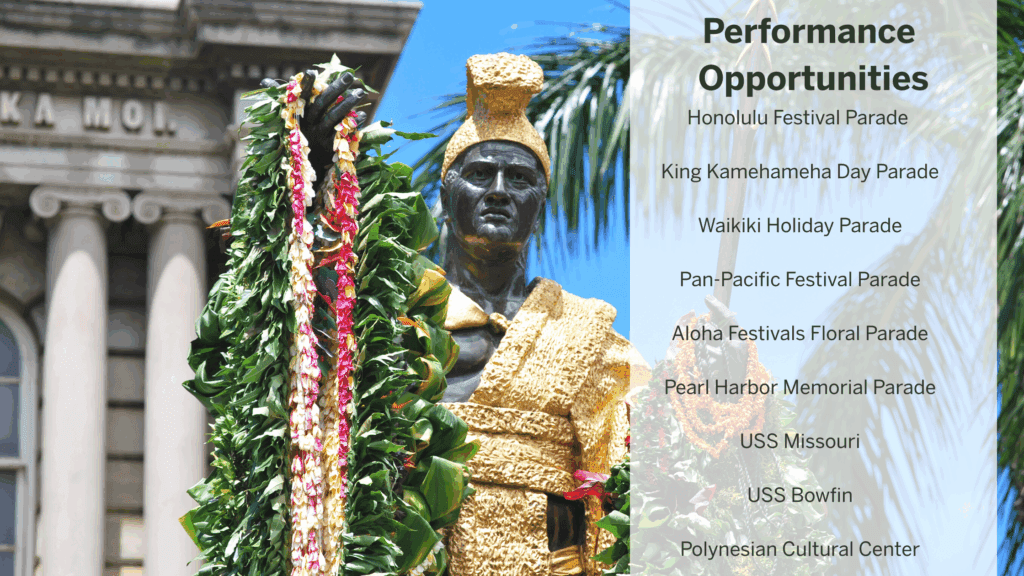
Performing in paradise is a breeze when magnificent Hawaii is your venue!
2. Historic Highlights and Rich Culture
Dive into Hawaii’s rich history and captivating culture – it’s a living museum of layered history that span centuries!
Visiting the USS Arizona Memorial and USS Missouri is a powerful look at World War II history. Standing above the sunken battleship and walking the surrender deck where WWII officially ended in the Pacific is a poignant and very real connection to events of the past.
Bishop Museum in Honolulu is a treasure trove of Hawaiian artifacts, royal regalia, and cultural exhibits. Students can explore the museum’s interactive displays and even access online resources through Hawai‘i Alive, which supports classroom learning with videos, essays, and historical documents.
King Kamehameha Statue and Iolani Palace are iconic landmarks that tell the story of Hawaii’s monarchy and its transition to a U.S. state.
The Polynesian Cultural Center is a comprehensive look at the traditions of Hawaii and other Pacific islands. Students can try hula dancing, learn ancient games, and enjoy a traditional luau with storytelling and music.
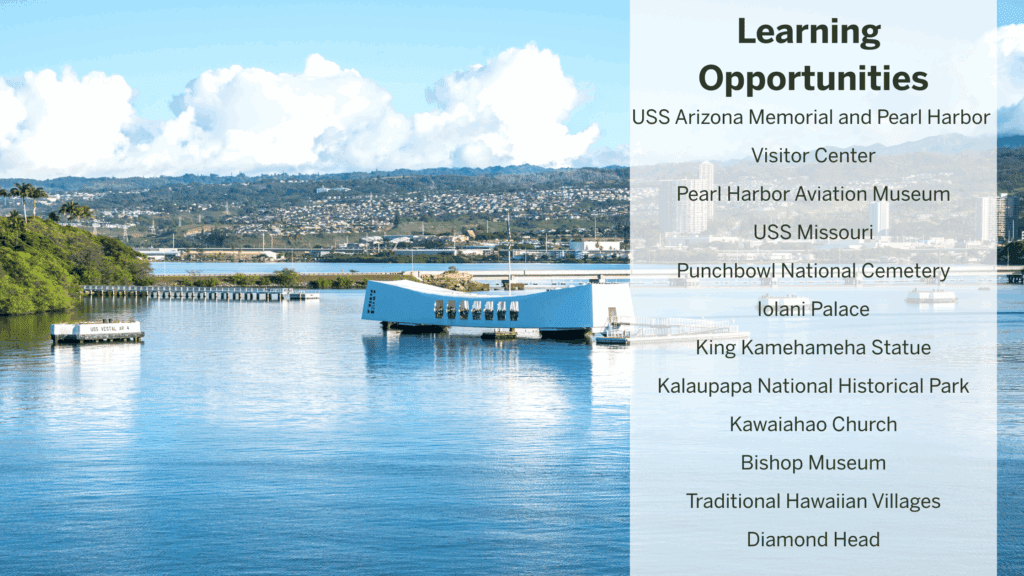
Exploring Hawaii’s history and culture helps students understand the importance of identity, resilience, and respect for the land. It’s a chance to see how indigenous knowledge and modern education can work together—and maybe even inspire a lifelong love of learning.
Fun Fact! Hawaii is the last state to join the United States on August 21, 1959… and it’s the only one made up entirely of islands.
Thinking About It? Get A Free Quote for Your Hawaii Trip!
3. Top STEM Experiences
If STEM is your focus, Hawaii is an unforgettable science trip! It’s an immersive, traveling classroom experience that simply calls you to explore!
Start with the iconic black sand beaches of Punalu’u. Here students explore marine ecosystems through guided snorkeling and reef conservation workshops. It’s a fascinating colorful world just below the crystal waters!
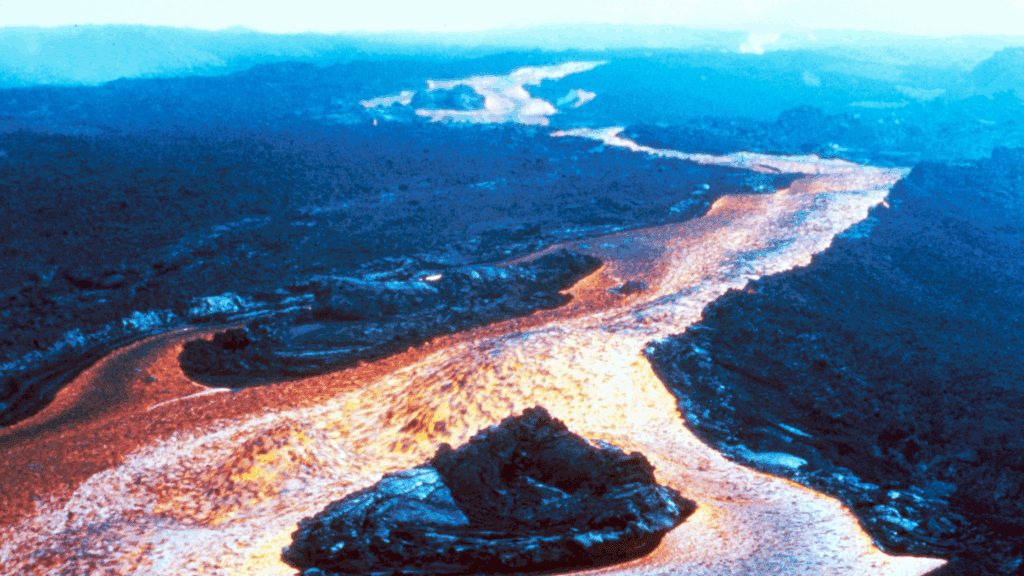
Study active volcanoes at Hawaii Volcanoes National Park. Students can hike the Devastation Trail – a barren field of cinders formed by the 1959 Kilauea Iki eruption.
Explore the Thurston Lava Tube, a 300 ft. cavern where lava flowed thousands of years ago in the middle of a giant fern forest.
A stop at the VNP Visitors Center includes information about tectonic plates and the Ring of Fire, which contributed to the formation of the island chain. The Steam Vents, Jagger Museum and Halemaumau Crater round out a full day of volcanic fun.
Hike through the Kona Cloud Forest Sanctuary, lush tropical forests surrounded by low-level clouds.
Then, take on the skies at Maunakea Observatories, a group of 10 independent centers studying our universe.
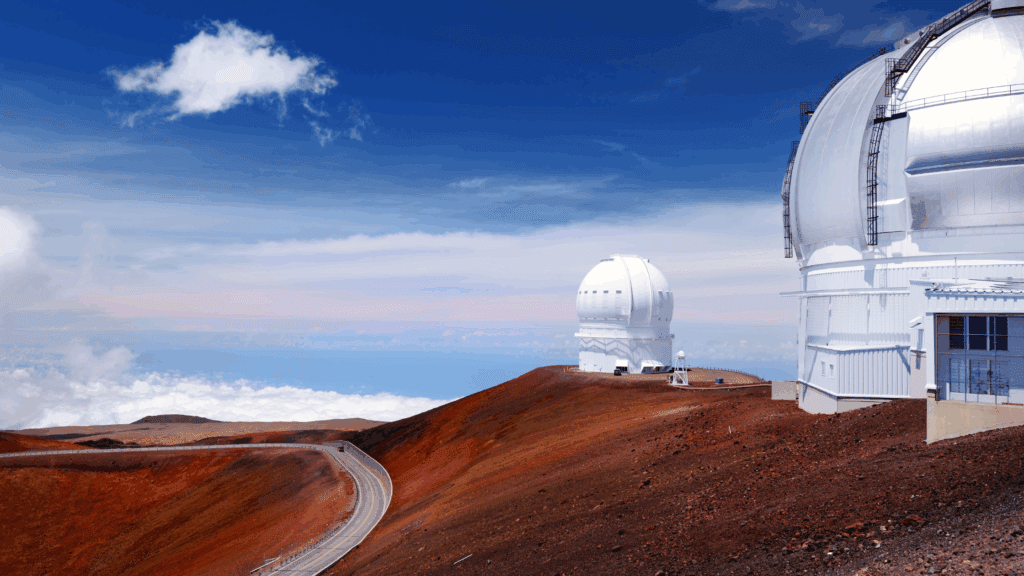
There are so many ways to engage with Hawaii’s unique ecosystem. It’s a treasure trove of STEM learning opportunities with real-world implications!
4. Outdoor Adventures Abound
Hawaii is nature’s playground – packed with outdoor adventures for student groups. Answer the call of the wild in sun, sea, tropical forests, mountain landscapes, and more.
Here are a few ideas to kickstart your Hawaiian adventure!
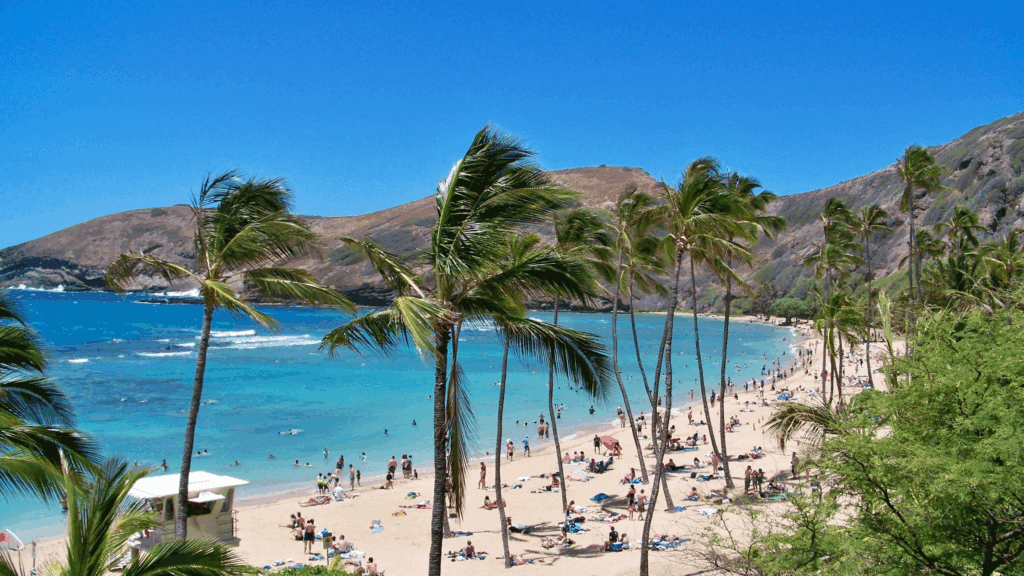
Take surfing lessons at world famous Waikīkī Beach. It’s ideal for beginners with gentle waves and expert instructors.
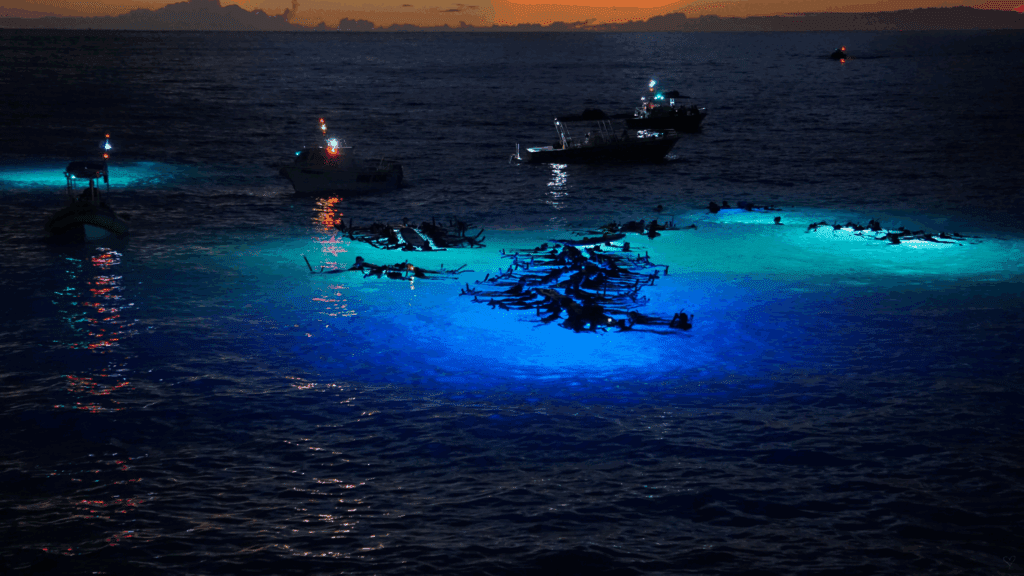
Go snorkeling with manta rays! You can swim with these gentle giants along the Kona coast. It’s an especially popular activity at night when the rays feed on plankton under the illuminated waters.
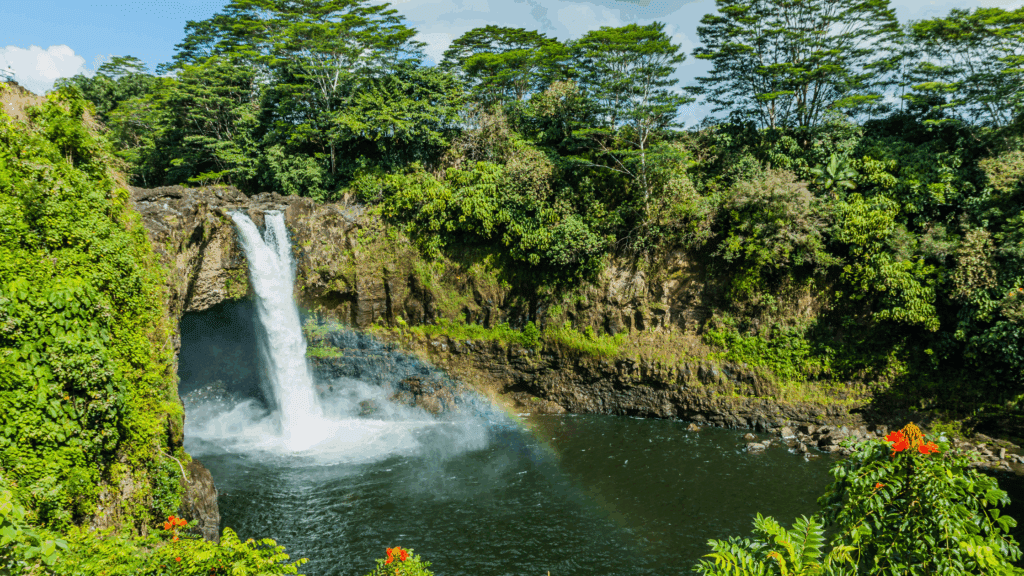
Zipline over towering waterfalls and lush rainforests. Check out the Umauma Experience and Kohala Zipline for skybridges, rappelling, horseback and ATV rides. You can even swim under the waterfalls after ziplining over them!
Sail a catamaran. Learn to sail along the Kohala Coast while spotting playful dolphins and massive sea turtles.
Walk along the edge of the world’s most active volcanoes on a crater rim trail. It’s a front row seat to earth’s raw power and beauty with sweeping views of these geological wonders.
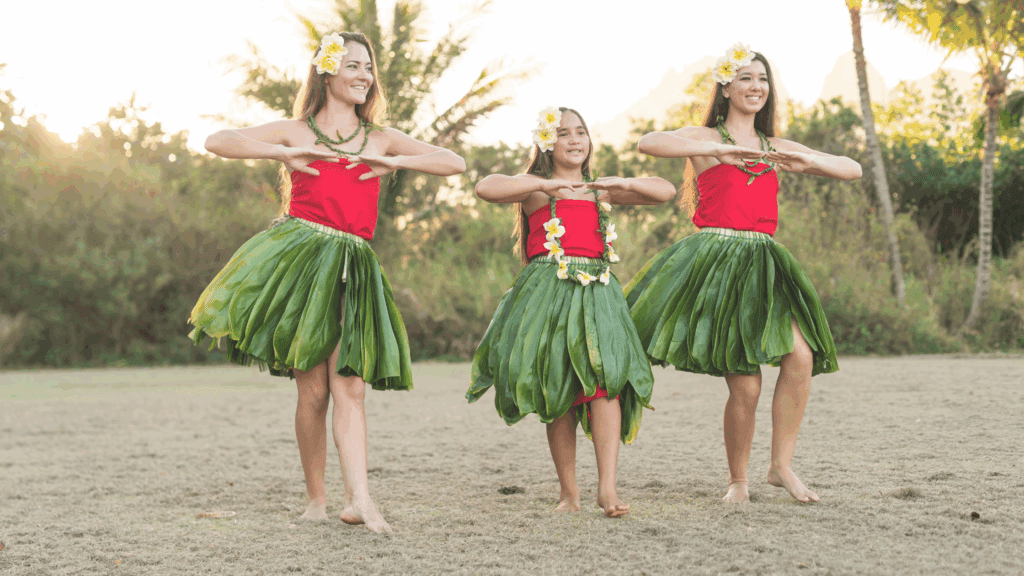
Learn to hula! Get into the Aloha spirit by learning the island’s traditional dance. Students can even start some of the lessons by making their own leis!
Plan Your Class Trip to Hawaii with a Pro
Hawaii is a hot spot for students for so many reasons – and Kaleidoscope Adventures is your best bet for getting them there!
Since 1993, Kaleidoscope Adventures has been the conduit for travel experiences that teach, inspire, encourage, and allow students to explore the world around them. Our pro team has countless ideas for a trip that’s just right for you.
We make it easy SO easy to plan your class trip to Hawaii (or anywhere!)
- Expert planning team
- Online registration and payments
- Convenient crowdfunding options
- Impeccable customer service from start to finish
Start Your Hawaiian Adventure with a Free Quote
Quick Reference FAQs
1. Why is Hawaii a great destination for student groups?
Hawaii offers a unique blend of culture, natural beauty, hands‑on learning, and performance opportunities. Students can explore volcanoes, learn about Polynesian culture, participate in marine science programs, and enjoy unforgettable Hawaiian traditions.
2. What are the most educational activities for students in Hawaii?
Top options include visits to Volcanoes National Park, Pearl Harbor and the USS Arizona Memorial, Polynesian Cultural Center, marine biology programs, cultural workshops, and guided hiking or ecology tours.
3. Are there performance opportunities for school bands, choirs, and orchestras in Hawaii?
Yes! Many student ensembles perform at outdoor venues, historical sites, local festivals, resort stages, and cultural centers. Hawaii’s upbeat, welcoming atmosphere makes performance groups very popular.
4. Which Hawaiian islands are most popular for student travel?
Oahu is the most common due to its combination of historic sites, cultural attractions, and group‑friendly lodging. Maui and the Big Island are also great for science‑focused or nature‑heavy itineraries.
5. How long is the ideal class trip to Hawaii?
Most groups plan for 5–7 days to comfortably include island travel, performances, cultural experiences, and educational tours without feeling rushed.
6. What is the best time of year to visit Hawaii with students?
Hawaii is a year‑round destination, but many groups choose spring or early summer when school calendars align with great weather and performance availability.
7. How much does a student trip to Hawaii cost?
Trips to Hawaii generally cost more than mainland destinations due to airfare and island logistics. Many groups begin planning 12–18 months in advance to help families budget. You can also explore fundraising options like crowdfunding to help offset costs.
8. What safety considerations should teachers keep in mind?
Safety guidelines typically include sun protection, hydration, swimming and beach safety protocols, and respecting natural areas. Professional tour operators help manage activity pacing and group supervision.
9. Are cultural experiences appropriate for all grade levels?
Yes — hula lessons, lei‑making, ukulele workshops, and cultural village tours can be tailored to elementary through high school students.
10. How far in advance should a Hawaii trip be planned?
Because of demand for flights, hotels, and performance spaces, most educators plan 12–18 months ahead, especially for spring travel.
11. Will students need special gear or clothing for activities?
Students should pack beachwear, lightweight clothing, reef‑safe sunscreen, water shoes, sturdy shoes for hikes, and a light jacket for higher elevations or evening events.
12. Can student groups combine education and performance in one itinerary?
Absolutely — Hawaii is one of the best destinations for pairing cultural learning with memorable student performances. Itineraries often mix music, history, STEM, and outdoor exploration.
13. Are music workshops or cultural exchanges available?
Yes — student ensembles can participate in ukulele clinics, hula classes, Polynesian drumming workshops, or school‑to‑school exchange performances depending on availability.
Why Kaleidoscope Adventures?
As a leader in the student travel industry for 30+ years, Kaleidoscope Adventures exceeds expectations for student and performance group travel.
We’ll work with you to plan an exceptional travel experience and provide impeccable customer service from start to finish
Learn More About Kaleidoscope AdventuresRelated Articles