

Helpful Tips for Traveling with ASD Students

Helpful Tips for Trip Planners and Parents
Data shows that approximately 1 in 35 children aged 3-17 in the U.S. are diagnosed with ASD. In many cases, these students require extra support or accommodations to help them maximize their educational experience – and that includes travel. But traveling with autism spectrum disorder (ASD) students can be daunting, so we’ve gathered some expert advice to help make it a little easier!

What is ASD?
Autism spectrum disorder is “a condition related to brain development that impacts how a person perceives and socializes with others, causing problems in social interaction and communication. The disorder also includes limited and repetitive patterns of behavior.”
The term “spectrum” refers to the wide range of symptoms and severity.
What are possible travel challenges that students with ASD may face?
Because students with ASD can fall anywhere on the spectrum, it’s difficult to pinpoint a specific list of possible travel challenges. Each child’s situation is unique. However, there are a few general pieces of the student group travel puzzle to consider:
- Changes in routine
- Crowds
- Unpredictability
- Sensory overload (noises, sights, and even smells)
These things can be challenging for the most seasoned traveler, but especially difficult for a student with ASD.

Tips for Traveling with ASD Students
After a lot of research and some expert advice, we’ve compiled some helpful tips for traveling with ASD students. This is not intended to address every child’s individual situation, but rather as a general resource for planning.
Safety
Safety is the number one priority on any student trip. Traveling with ASD students may simply mean a few extra precautions are necessary.
- Include security as part of the trip to prevent possible wandering
- Stay at properties with interior corridors
- Be sure there is a lifeguard on duty at the pool
- Use the buddy system
- Communicate regularly via apps like Remind
- Consider the Wallet Card Project® for teens 14 or older
- Wear brightly colored matching shirts
These are just a few easy ways to include added safety measures for everyone’s peace of mind.
Related Reading: SYTA Safety Resource Center
Schedule
Sticking to a schedule is important for everyone, but especially helpful for students with ASD. A schedule provides the structure for the day and deviating from the schedule can increase anxiety and stress.
However, anyone who has traveled with students knows that schedules are often fluid. Try providing students with ASD with a less specific itinerary and general timeframes.
For example:

Removing specific attractions, restaurants, or other activities alleviates the stress that may come with not staying on schedule.

Sensory Concerns
Crowds, noise, and chaos are common when traveling – especially with students! However, these factors can affect students with ASD on a different level, sometimes causing stress, anger, outbursts, or sensory-seeking behaviors.
Try to maintain an environment that’s as calm as possible. A few ideas to consider:
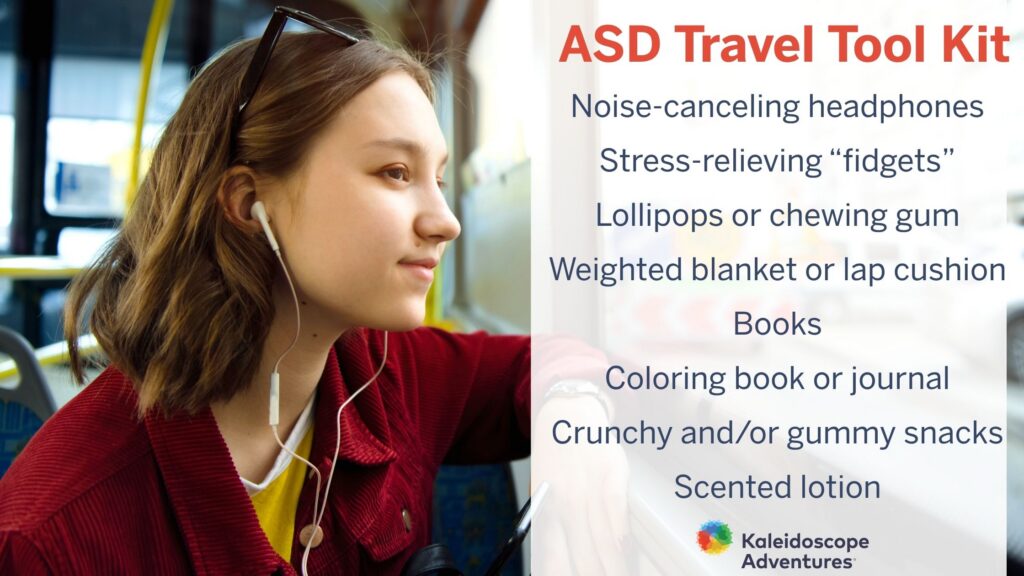
- noise-canceling headphones or earplugs
- boarding transportation (buses, planes, shuttles, etc.) last
- sitting closer to the front
- quiet spaces with low lighting
There are several sites that do an amazing job of showing parents or trip leaders how to create a “travel toolkit” for ASD students. These might include things like:
Flying
Flying with an ASD student may require a little extra prep. Gate check-in, long security lines, screening, and the flight itself can cause disruptions to the routine.
The TSA Cares program was designed to assist travelers with disabilities and medical conditions through the security process. Passengers can reach out 72 hours prior to flying for information about what to expect.
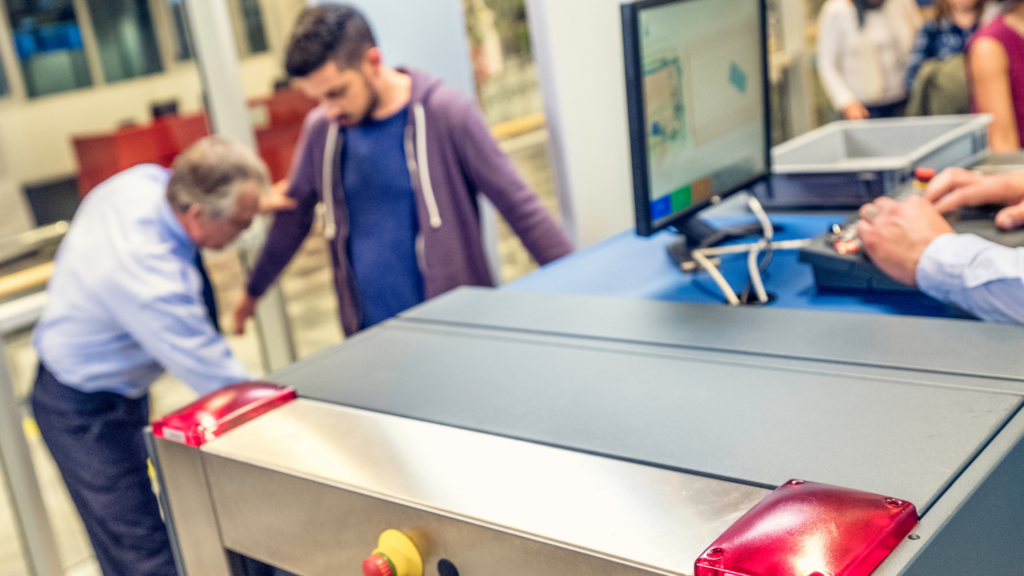
In addition, students with ASD can prepare by role-playing ahead of time. Practice removing shoes, knowing which items to take out of a carry-on and which stay in, and going through a body screen.
A little practice can go a long way in calming anxious flyers!
Finally, some airports offer a break from the chaos with sensory rooms. Autism-friendly airports include Pittsburgh International, Myrtle Beach, and Hartsfield-Jackson Atlanta International.
Related Reading: Exploring the World with Limited Mobility
ASD Certified Attractions
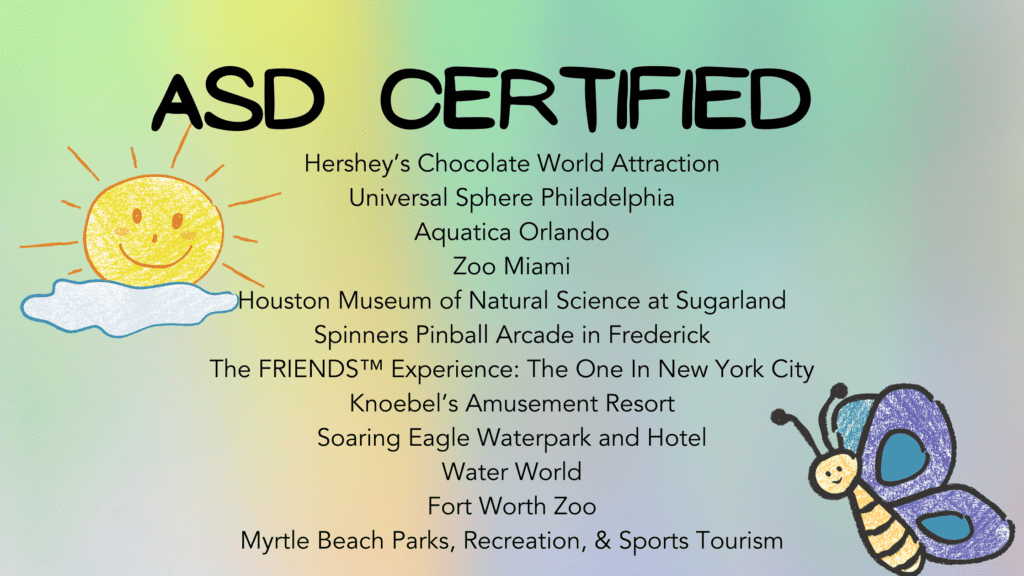
As you plan your student adventures, reach out to your trip planning partner for “autism certified” attractions. The International Board of Credentialing and Continuing Education Standards designates theme parks, water parks, resorts, and more as “autism certified.”
IBCCES certified means that attractions are:
- Dedicated to serving autistic individuals
- Have at least 80% of guest-facing staff trained and certified in autism
- Committed to ongoing training and accessibility(renewal requirement every 2 years)
- Reviewed on-site by IBCCES expert
This is a brief list of autism-certified attractions, but there are many autism-friendly destinations and attractions to consider when planning a student trip.
Disney and Universal
So… where do the big parks fall in all of this?

Walt Disney World® in Orlando is not autism certified but IS ASD friendly.
There are break areas for a quiet moment, rider switch programs, Disability Access Services, companion restrooms, and more available throughout the parks.
CLICK HERE TO DOWNLOAD DISNEY’S GUIDE FOR GUESTS WITH ASD

In March of 2022, Universal Orlando Resort added its first quiet room, providing low-stimulation space as an alternative to the hustle and bustle of the parks.
The room has dim lighting, rubber floor tiles, an activity wall, and two tunnels to temporarily escape the crowds.
In addition to the quiet room, Universal has several other park locations to calm overstimulated senses.
CLICK HERE TO DOWNLOAD UNIVERSAL’S GUIDE FOR GUESTS WITH ASD
Check Out Traverse City!
In August 2024, Traverse City became the first city in Michigan to qualify as a Certified Autism Destination. This means that businesses and organizations throughout the city trained staff to handle the unique needs of those with ASD.
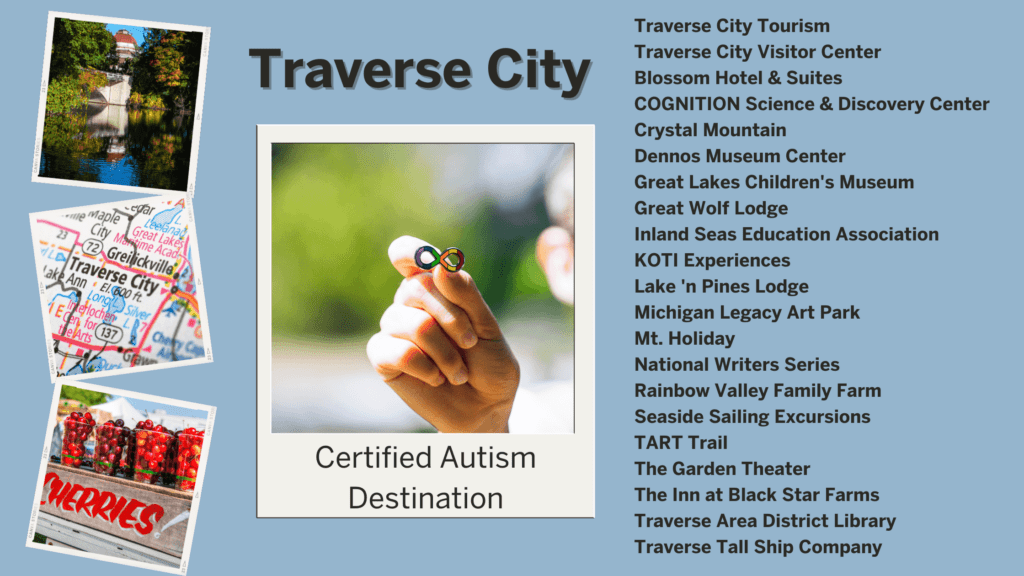
The training focused on recognizing and understanding autism and other common sensory sensitivity concerns. The idea was to create a travel experience that’s welcoming and accessible to all.
Related Reading: Traverse City Becomes the First Autism Certified Destination in Michigan
Traveling with ASD Students
Traveling with ASD students can be daunting, but let’s face it. Planning a trip with teenagers, in general, can be intimidating!
Find a great trip planning partner like Kaleidoscope Adventures that understands your students’ needs. Then do your homework and gather your resources.
When parents and trip planners work together, EVERYONE has a travel experience that is BEYOND expectations!
CLICK HERE TO CONNECT WITH THE KA TEAM
Frequently Asked Questions About Traveling with ASD Students
1. Can students with autism spectrum disorder (ASD) successfully participate in student travel programs?
Yes! With proper planning, communication, and support, students with ASD can have incredibly rewarding travel experiences. Many destinations, attractions, and tour operators now offer accommodations and resources designed to make travel more accessible and enjoyable.
2. What are the biggest travel challenges for students with ASD?
Common challenges may include changes in routine, crowded environments, sensory overload, unexpected schedule changes, and unfamiliar settings. Because autism exists on a spectrum, every student’s needs and experiences will be different.
3. How can teachers prepare ASD students for an upcoming trip?
Providing schedules in advance, reviewing itineraries, discussing expectations, sharing photos of destinations, and practicing travel-related situations can help reduce anxiety. Many educators also find success using visual schedules and social stories.
4. What should be included in a travel toolkit for students with ASD?
A travel toolkit may include noise-canceling headphones, sensory or fidget items, comfort objects, snacks, sunglasses, communication cards, and any other tools that help the student self-regulate in unfamiliar environments.
5. How can student travel groups accommodate sensory sensitivities?
Trip leaders can build in breaks, identify quiet spaces, allow the use of sensory tools, and provide flexibility when possible. Seating arrangements, transportation boarding procedures, and crowd management strategies may also help minimize overstimulation.
6. Is flying difficult for ASD students?
Air travel can be challenging due to airport security, crowds, and disruptions to routine. However, preparation and practice can make a significant difference. Programs like TSA Cares can help travelers and families better understand the screening process before departure.
7. Are there autism-friendly attractions and destinations?
Yes. Many attractions, hotels, destinations, and theme parks have earned autism certifications or implemented autism-friendly practices. These locations often provide trained staff, quiet areas, accessibility resources, and accommodations designed to support guests with ASD.
8. Do Disney and Universal offer accommodations for guests with ASD?
Both Walt Disney World® and Universal Orlando Resort provide resources for guests with cognitive and sensory needs. These may include quiet spaces, disability access programs, companion restrooms, and attraction guides specifically designed for visitors with ASD.
9. How can parents and educators work together to support ASD students during travel?
Open communication is essential. Parents can share information about triggers, coping strategies, medications, routines, and accommodations that help their child succeed. This allows trip leaders to create a more supportive experience for everyone involved.
10. What safety measures should be considered when traveling with ASD students?
Additional safety planning may include the buddy system, regular communication, brightly colored group shirts, secure lodging, identification cards, and increased supervision in crowded areas. These precautions can help create peace of mind for both families and educators.
11. Should trip itineraries be adjusted for ASD students?
While every student is different, providing general schedules and minimizing unnecessary surprises can help reduce stress. Building in downtime and allowing flexibility throughout the day can benefit not only ASD students but the entire group.
12. Why is educational travel valuable for students with ASD?
Travel can promote independence, confidence, social interaction, problem-solving skills, and real-world learning. With the right support system in place, student travel can be a meaningful and memorable experience that extends far beyond the classroom.
13. What should I look for in a student travel company when traveling with ASD students?
Look for a travel partner that understands accessibility needs, communicates clearly with educators and parents, offers flexible planning options, and is familiar with autism-friendly destinations and attractions. An experienced student travel company can help ensure every traveler has the opportunity to succeed.
Updated September 2026
Why Kaleidoscope Adventures?
As a leader in the student travel industry for 30+ years, Kaleidoscope Adventures exceeds expectations for student and performance group travel.
We’ll work with you to plan an exceptional travel experience and provide impeccable customer service from start to finish
Learn More About Kaleidoscope AdventuresRelated Articles