
Best Advice for Virtual School Programs Planning In-Person Student Trips

Virtual schools have changed the educational landscape, giving students greater flexibility, personalized learning opportunities, and access to education regardless of where they live. But despite all the benefits of online learning, one challenge remains consistent: building meaningful connections.
That is why in-person student trips are so important!
Planning a STEM trip, history adventure, service project, college tour, or even just a fun bonding experience gives students a chance to connect. Time spent face-to-face with classmates and teachers allows students to strengthen their sense of belonging within the school community while creating memories together
Planning an in-person event for a virtual school, however, comes with a unique set of challenges. Students may live hours apart, transportation is often the responsibility of families, and attendance is typically optional.
The good news? With the right planning process and partner, virtual schools can create impactful experiences that students and families look forward to year after year.

1. Start With the “Why”
Before researching destinations or choosing a date, decide what the purpose of your trip is.
A clear objective serves as the foundation for every planning decision. It also helps communicate value to families and school leadership.
Ask yourself:
- What do we want students to gain from this experience?
- Is the goal educational, social, or both?
- How does the trip support our school’s mission?
- What outcomes will define success?
Academic Enrichment
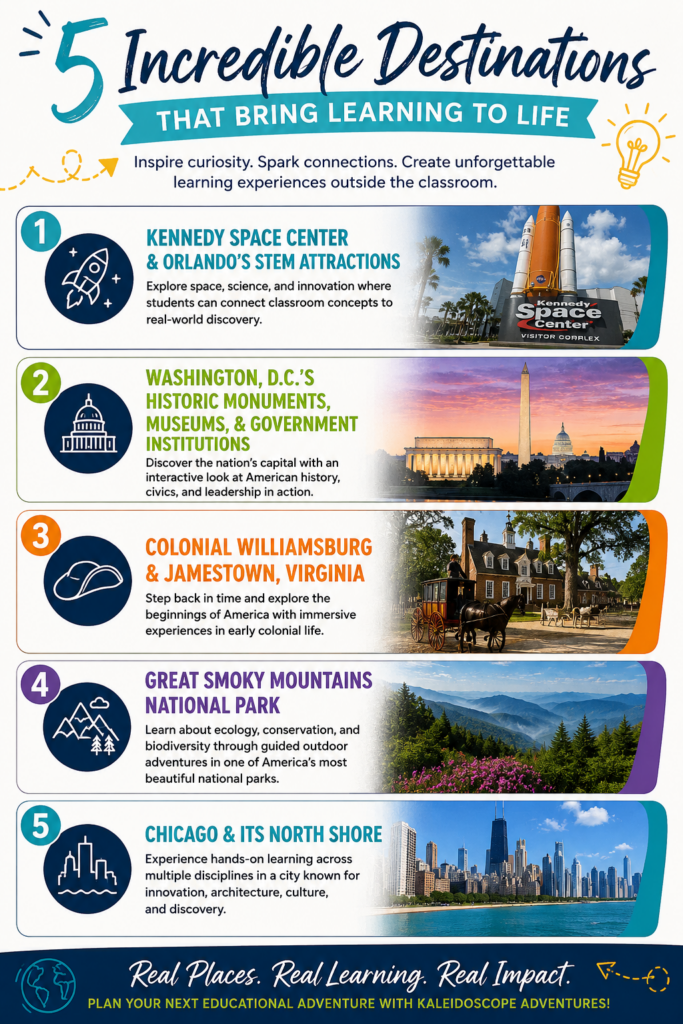
If your goal is educational, consider experiences that bring your virtual lessons to vibrant life:
Explore More Great Destinations
Social Connection
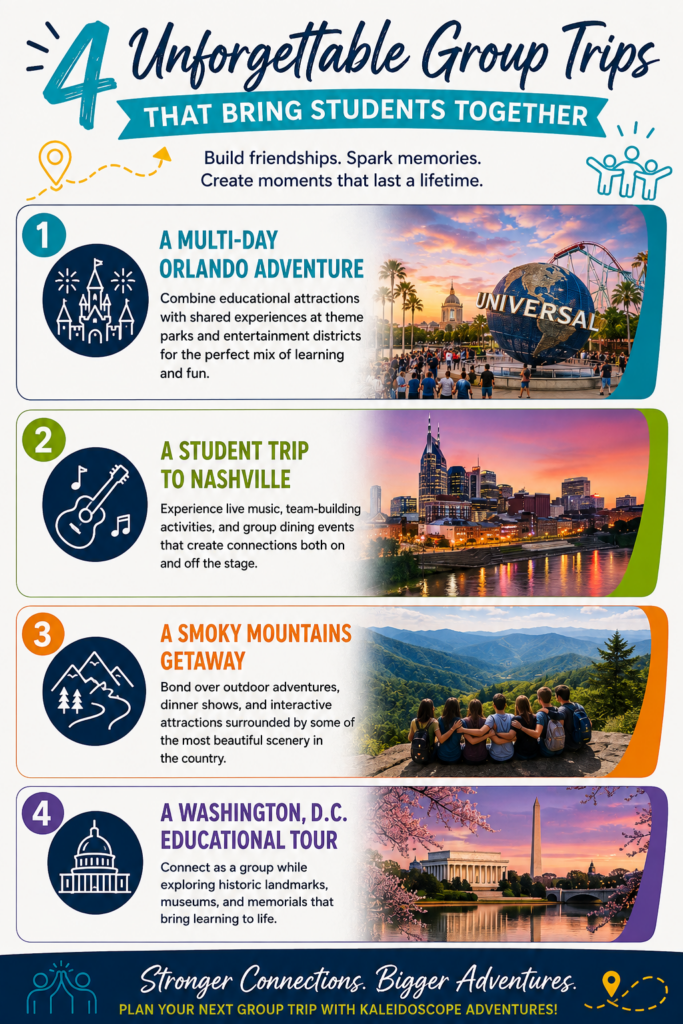
Many virtual students spend the majority of the school year interacting online. Events that encourage in-person interaction can help foster friendships and improve engagement.
Popular choices include:
 Get Your Adventure Readiness Guide for More Ideas
College and Career Exploration
Older students often benefit from opportunities that expose them to future educational and career pathways.
Ideas include:
- Boston college tours to campuses such as Harvard University and MIT.
- Washington, D.C. exploring universities, government agencies, and public policy careers.
- Kennedy Space Center and Orlando STEM programs that highlight careers in aerospace, engineering, and technology
- Nashville’s growing healthcare industry showcasing career opportunities in one of the nation’s fastest-growing industries.
- Pittsburgh as a hub for STEM, performance and athletics, as well as world class universities.
When schools identify a clear purpose first, the remaining planning decisions tend to fall into place more naturally.

2. Survey Families Before Making Decisions
One mistake that schools frequently make is assuming they know what families want.
In a traditional school setting, students typically come from the same community. Virtual schools often serve families from multiple counties, regions, and sometimes entire states.
So before you book a venue, send a brief survey asking questions such as:
- How far would your family be willing to travel?
- Which days of the week work best?
- What types of activities interest your student?
- Would you attend a weekend event?
- Are there accessibility accommodations your family would need?
- How many family members would likely attend?
Gathering feedback early helps increase participation while ensuring the trip is accessible to your broader school community.

3. Choose a Destination That Works for Everyone
The most exciting venue in the world will not matter if families cannot realistically get there. When narrowing down your options, evaluate each venue through a family-focused lens.
Accessibility
Ensure the venue accommodates individuals with mobility, sensory, or other accessibility needs.
Parking
Free and convenient parking can significantly improve attendance.
Travel Time
Try to minimize travel burdens for the highest percentage of your student population.
Weather Considerations
Outdoor events can be wonderful but always have a backup plan.
Group Experience
Choose venues with experience hosting school groups. These organizations often have established safety procedures, educational programming, and dedicated staff support.
Remember… convenience often has a greater impact on attendance than novelty!

4. Create a Detailed Communication Plan
For virtual schools, communication can make or break an event. It is imperative that you have a plan and stick to it. Your communication timeline should include:
Initial Announcement
Share the purpose, date, and overall event details as early as possible.
Registration Information
Clearly explain:
- Registration deadlines
- Participant requirements
- Associated costs
- Permission forms
- Payment dates
Reminder Emails
Send multiple reminders as the trip approaches. Include helpful information like packing lists, itineraries, expectations, chaperones, etc.
Day-Of Instructions
Provide:
- Check-in locations
- Emergency contact information
- Itineraries
- Appropriate attire recommendations
Since virtual school families rely heavily on digital communication, consider sharing updates through:
- Parent portals
- School newsletters
- Learning management systems
- Social media platforms
- Text notifications
The more transparent your communication, the more confident families will feel participating.

5. Plan for Engagement and Not Just Attendance
A successful student trip is not simply a gathering of people in the same location. The real goal is connection. Many virtual students may be meeting classmates and teachers in person for the very first time so creating opportunities for interaction is essential.
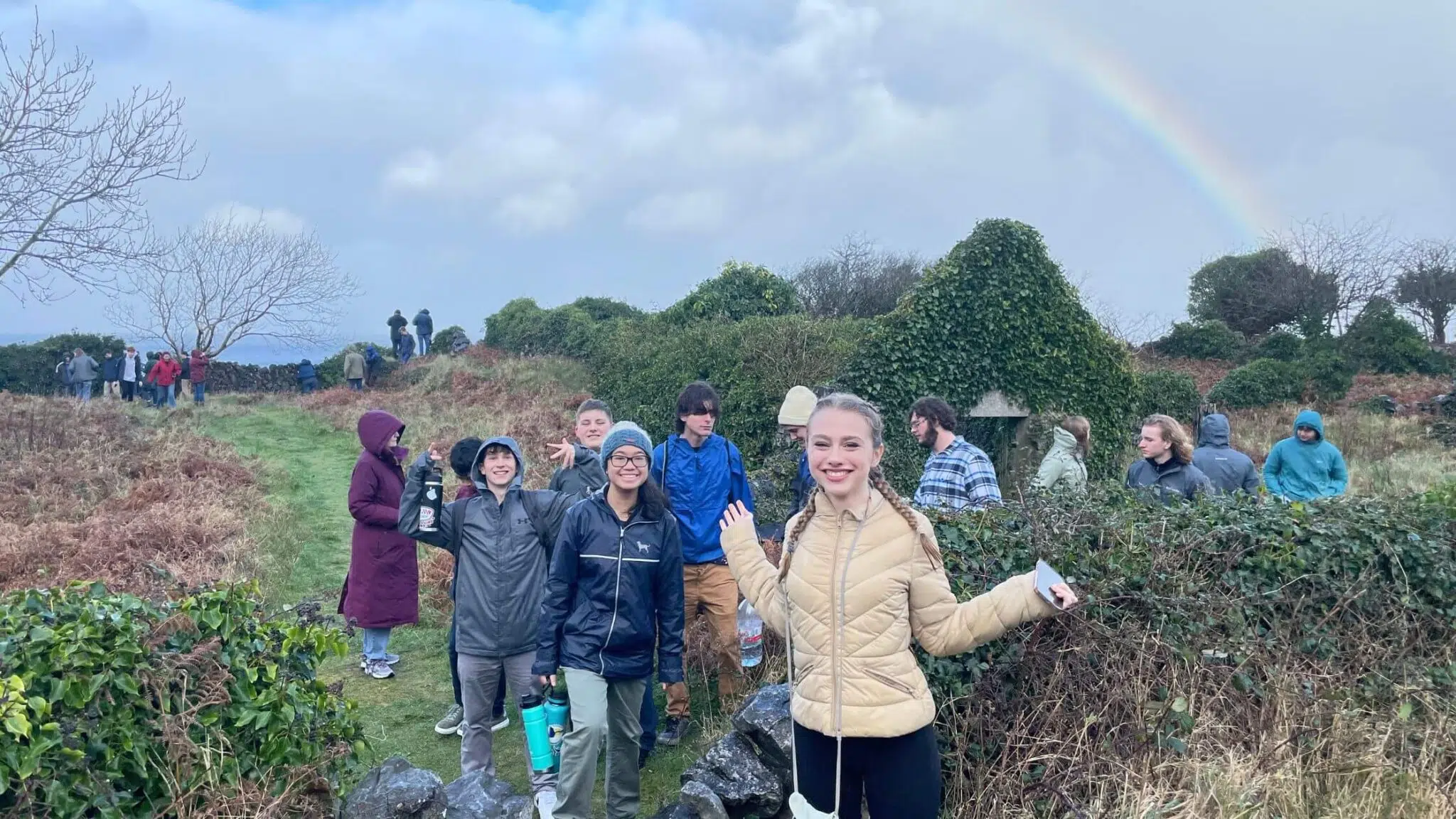
As you plan your adventure, consider including activities like icebreakers to help them feel comfortable, small group challenges that encourage collaboration, student leadership opportunities, and group photos.
These intentional touchpoints will help make your trip a powerful community-building experience for your virtual students.

6. Prepare for the Unexpected
Even the best-planned events can face challenges, so it’s always a good idea to have contingency plans.
Think through scenarios such as:
- Severe weather
- Transportation delays
- Medical emergencies
- Facility closures
- Technology issues
- Last-minute attendance changes
Create a response plan and share responsibilities among staff members before the event begins. When everyone knows their role, problems become much easier to manage.
7. Prioritize Student Well-Being
Student well-being should remain at the center of every planning decision. Be sure you have updated emergency contact and medical info for every student. In addition, identify emergency procedures, staff/chaperone assignments, reporting processes, and check in/out protocols.
Families place significant trust in schools whenever students attend in-person activities. Careful planning not only protects participants but also helps build confidence among families for future events.
8. Capture the Experience
Every student trip is an opportunity to create content that tells your school’s story. And let’s face it – that’s pretty important! Plan to capture the experience through:
- Photos
- Student testimonials
- Parent feedback
- Teacher reflections
- Short video clips
Then use this content to create social media posts, newsletters, enrollment campaigns, online photo galleries, and blogs.
Authentic student experiences often resonate far more strongly than traditional marketing messages.
9. Gather Feedback and Measure Success
Once your trip wraps up, send a feedback survey to participants, families, and staff.
Survey questions might include:
- Did you like the destination?
- What was your favorite part of the trip?
- What could be improved?
- Was communication effective?
- Would you take part in another trip?
- What activities would you like to see next year?
These insights can help identify areas of improvement while demonstrating that your school values family input.

10. Plan with a Pro
Since 1993, Kaleidoscope Adventures has worked closely with educators to plan travel experiences that teach, inspire, encourage, and allow students to explore the world around them.
We listen carefully – so we really understand what you want to accomplish and how best to meet your needs. It’s that personal touch and meticulous attention to detail that has earned us a reputation for excellence in student travel for more than 30+ years!
When thoughtfully planned, educational travel supports curriculum goals, builds student confidence, and creates shared experiences that students and teachers remember for years!
Start with a Free Quote
Best Advice – Hands Down!
While virtual schools excel at delivering flexible, high-quality instruction, students still benefit from real-world experiences and personal connections. In-person trips provide opportunities for students to build friendships, engage more deeply with their school community, and connect classroom learning to the world around them.
The most successful virtual school trips are not necessarily the biggest or most expensive. They are the ones that are thoughtfully planned, family-focused, and aligned with student needs.
They are the ones that foster a sense of belonging!
Quick Reference FAQs
How do virtual schools organize student trips?
Virtual schools typically coordinate optional in-person experiences by partnering with museums, educational attractions, colleges, community organizations, and local venues. Planning often includes family surveys, digital registration, and detailed communication to accommodate students from multiple locations.
What are the benefits of in-person events for virtual school students?
In-person events help students build friendships, strengthen connections with teachers, improve engagement, and develop a stronger sense of belonging within their school community.
How far in advance should virtual schools plan field trips?
Most schools should begin planning at least three to six months in advance to secure venues, coordinate logistics, and provide families with enough time to prepare.
What are the best trip ideas for virtual schools?
Popular options include museums, zoos, science centers, college tours, career exploration events, state parks, community service projects, and seasonal family engagement activities.
Why Kaleidoscope Adventures?
As a leader in the student travel industry for 30+ years, Kaleidoscope Adventures exceeds expectations for student and performance group travel.
We’ll work with you to plan an exceptional travel experience and provide impeccable customer service from start to finish
Request a Complimentary QuoteRelated Articles